Asia/Karachi
BlogNovember 14, 2026

Webmaster at IEEE Entrepreneurship KFUEIT, 2026-2027

What the appointment notice says and how I plan to run a student chapter website
Fawaz Israr
Webmaster at IEEE Entrepreneurship KFUEIT, 2026-2027
On 14 November 2026 the IEEE KFUEIT Student Branch announced the executive officers of the IEEE Entrepreneurship KFUEIT Student Branch Chapter for the 2026-2027 tenure, and I have been appointed Webmaster. This post records what the notification says, what I understand the role to involve, and the checks I plan to start with on a student chapter website. It is my own account and not an official statement of IEEE or the chapter. I am a final-year Computer Science student at KFUEIT in Rahim Yar Khan, and I work in web development at Hadi Dev Lab. You can read more on my about page. The notification is dated 14 November 2026, carries the reference KFUEIT/EE/069 and is titled "Appointment of Executive Officers, IEEE Entrepreneurship KFUEIT". It lists eight executive posts: Vice Chair, General Secretary, Joint Secretary, Treasurer, Head of Management, Webmaster, Head of Photography and Media, and Head of Decoration and Venue Management. I am listed as Webmaster from the Computer Science department. According to the notice, the officers are entrusted with leadership responsibilities to strengthen chapter operations, promote entrepreneurial thinking, encourage innovation and create opportunities for aspiring student entrepreneurs. I will leave the names of my colleagues to the chapter's own announcements.
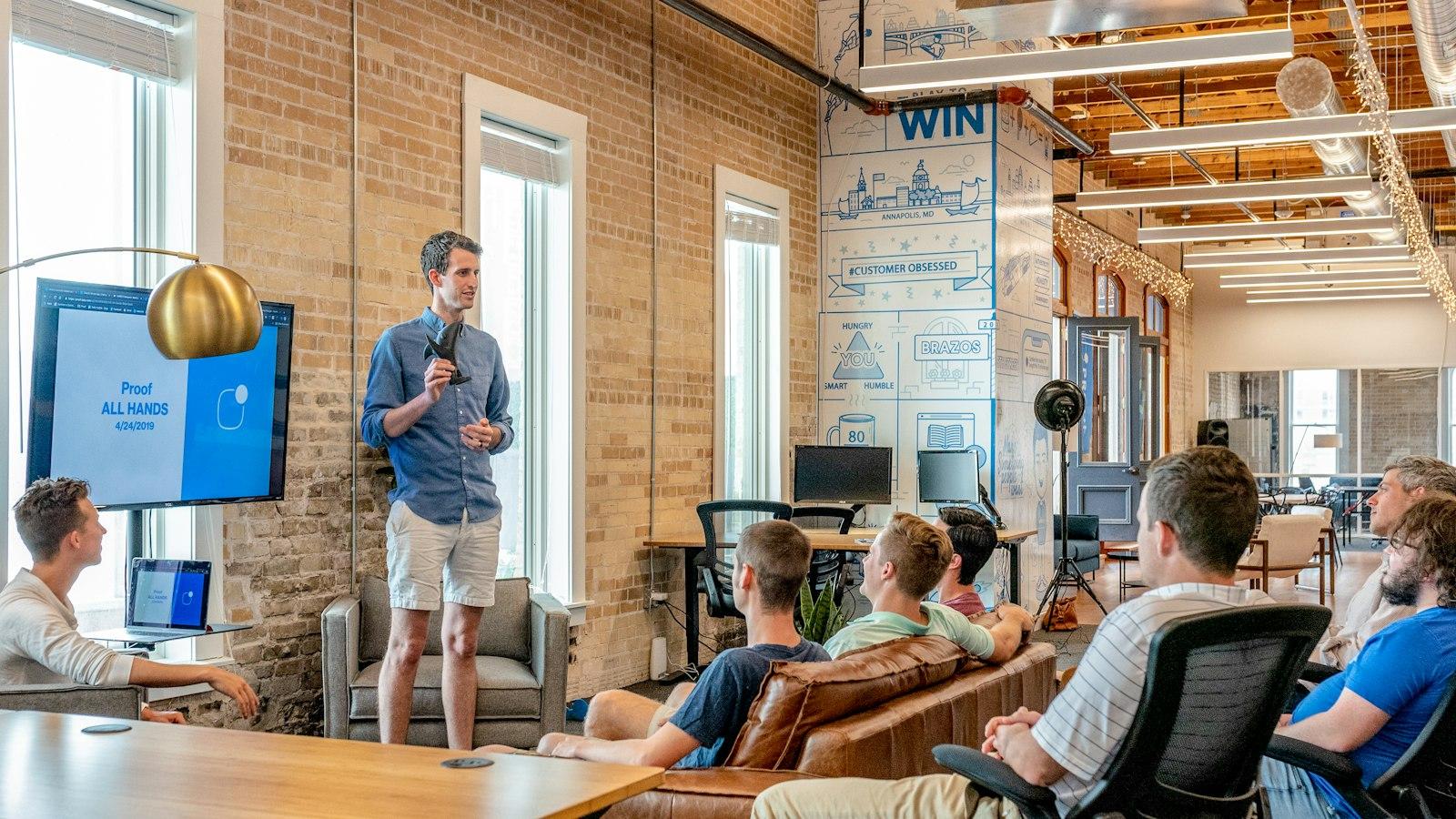
Rows of people working on laptops at long desks in a large open hall with a dark ceiling and a concrete floor
IEEE is a professional association for engineering and technology, and a student branch is its campus group. The KFUEIT branch belongs to Khwaja Fareed University of Engineering and Information Technology in Rahim Yar Khan. It has a listing on the IEEE Region 10 page for KFUEIT and its own branch website. Both IEEE sites block automated checks, so I could not test the links with a script. They come from search results for the branch, and you can confirm them by opening them yourself. One caution about the name. I could not find a formal IEEE definition of an "Entrepreneurship chapter" inside a student branch, so I describe it only the way the notification does: a chapter of the branch that works on entrepreneurial thinking and opportunities for student founders. The notification does not list the webmaster's duties, so I do not want to invent a job description. In most clubs the role means looking after the website and the online presence: keeping information correct, publishing event pages, making announcements easy to find and keeping accounts safe. I will confirm my exact responsibilities with the chapter and update this post when they are clear. What I can describe is the kind of work I already do for other sites, and how it carries over to a small chapter site. I plan to begin with a short list that fits any small organisation site. None of it needs a big budget.
  • Say who you are. One clear page with what the chapter does, who the officers are by role, and how to contact them. A visitor should not have to guess.
  • Give every event its own page. A separate URL with the date, place, who it is for and how to register is easy to share in a group chat and easy for a search engine to understand. My on-page SEO checklist covers titles, headings and internal links in plain terms.
  • Test on a phone first. I expect many students to open event links from messaging groups on their phones, so the small screen is the main screen.
  • Keep pages light. Compress images and avoid heavy scripts. The Core Web Vitals guide explains the three loading and responsiveness measures worth watching.
  • Make it findable. Each page needs its own title and description, and the site needs a sitemap and a Search Console property. The technical SEO post for Next.js shows what that looks like in practice, even if the chapter site ends up on a different platform.
  • Handle member data carefully. If a registration form asks for a name, an email and a department, ask for nothing more, say why, and store it somewhere only the officers can open. My post on privacy and your data gives the reasoning behind collecting less.
  • Cover the accessibility basics. Readable contrast, text alternatives for images and links that say where they go.
Officers change with each tenure. The notification itself is for the 2026-2027 term, which means someone else will hold this role next. Many club websites stop being updated for a simple reason: the person who set them up has graduated, and nobody knows where the login, the domain or the content lives. So alongside the site itself I want to leave a handover note. This is the outline I would start from.
Text
Chapter website handover note

Accounts
- Which accounts exist (hosting, domain, analytics, email, social)
- Which accounts belong to the chapter and which to a person
- Recovery email and phone for each, owned by the chapter
- Passwords kept in a password manager, never in a chat group

Dates
- Domain and hosting renewal dates
- Who pays and how

Content
- Where the pages live and how to edit them
- How to publish a new event page, step by step
- Where images and documents are stored

Safety
- Where the backup is and how to restore it
- Who has admin access, reviewed every tenure
- Who to contact when something breaks

Next tenure
- Open tasks and known problems
- Name of the person who received this note
This is general good practice for any small site. The details will change depending on what platform the chapter uses, and I will adapt the note once I know. Most of my web work so far has been for clients or for my own projects. A chapter site serves a group of people who are my classmates, and the goal is simple: help student founders and curious beginners find events, understand what is on offer and get in touch. I am a student too, so I expect to learn a lot from the other officers about how events are planned and how a society runs. Entrepreneurship also connects to things I have already written about. If a student founder in the chapter has an idea and wants a developer to understand it, the project brief template is a good starting point, and how to choose an MVP tech stack explains the early technical decisions in plain language. You can see the projects behind these posts on my work page. I will add updates here as the chapter confirms its plans and publishes its own announcements. I am Fawaz Israr, a full stack developer in Rahim Yar Khan, Pakistan, a final-year Computer Science student, and I work in web development at Hadi Dev Lab. If your club, society or small organisation needs a clear, fast website, you can message me on WhatsApp or by email. You can also browse my work first. Cover photo from Unsplash.
Share this post: